
About Orientdig Spreadsheet
Click the images below to browse!
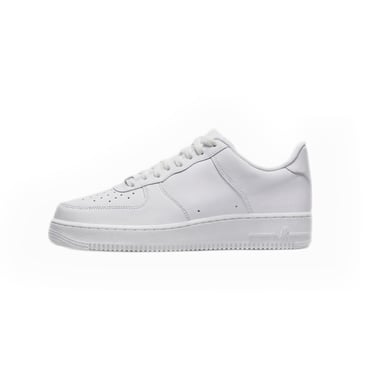





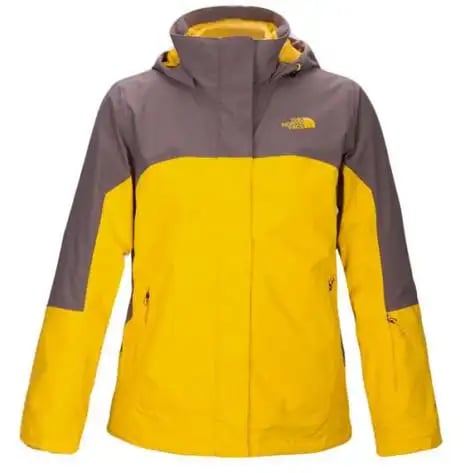


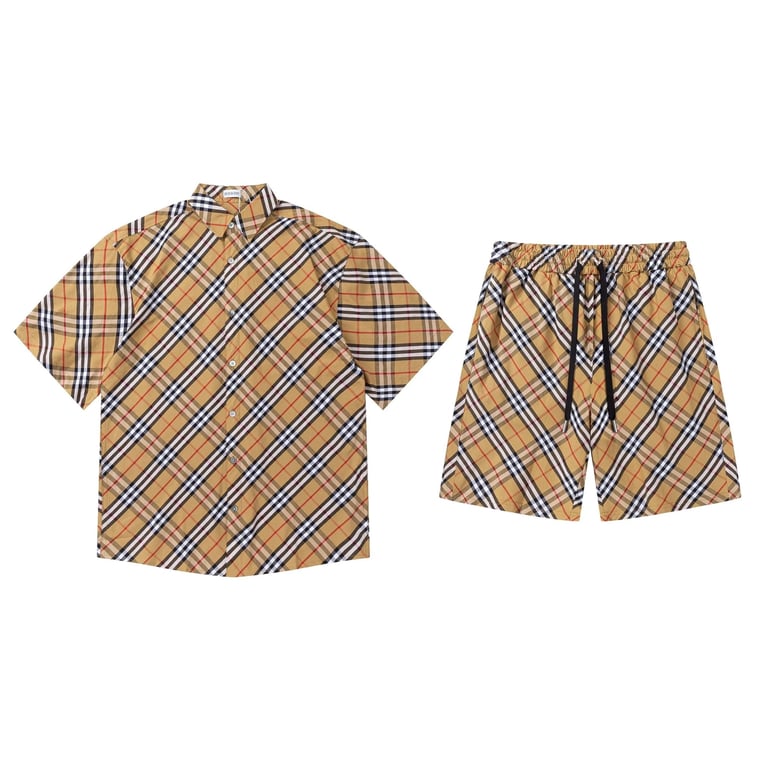
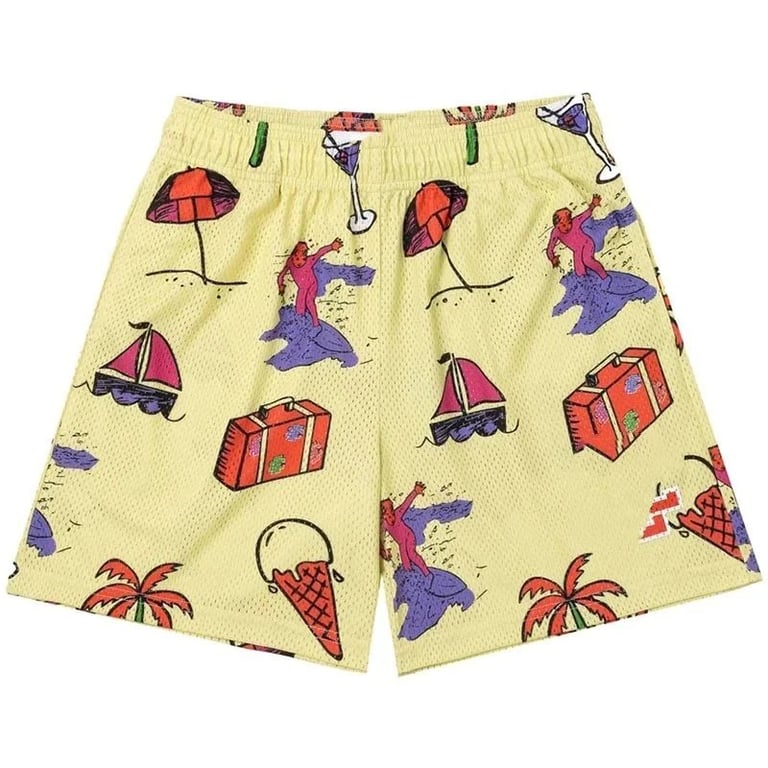
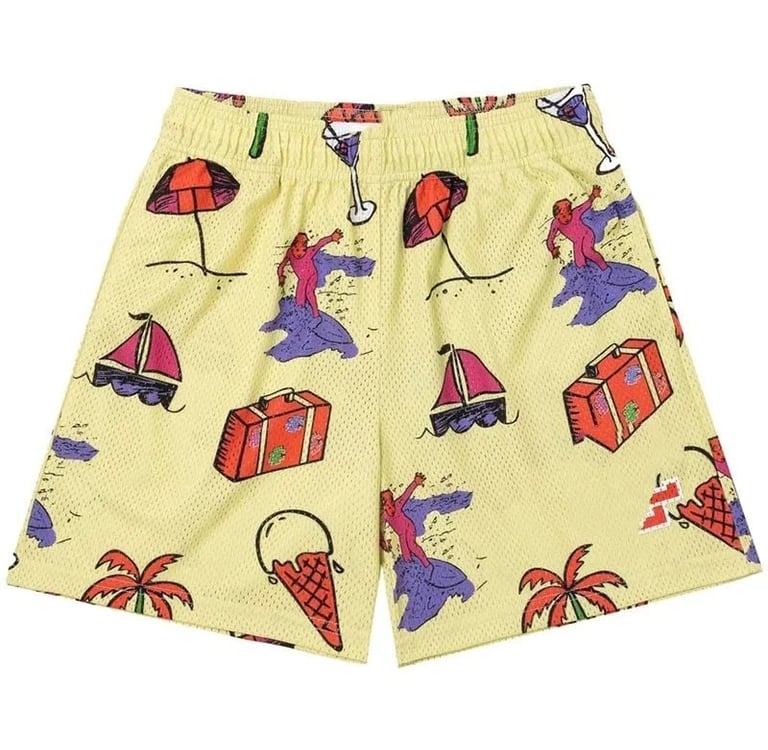
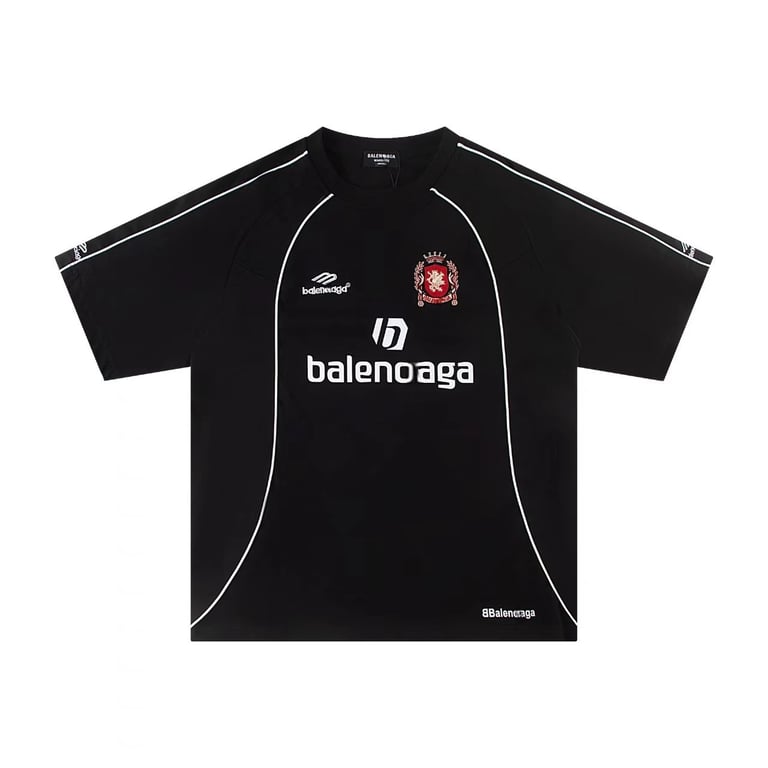
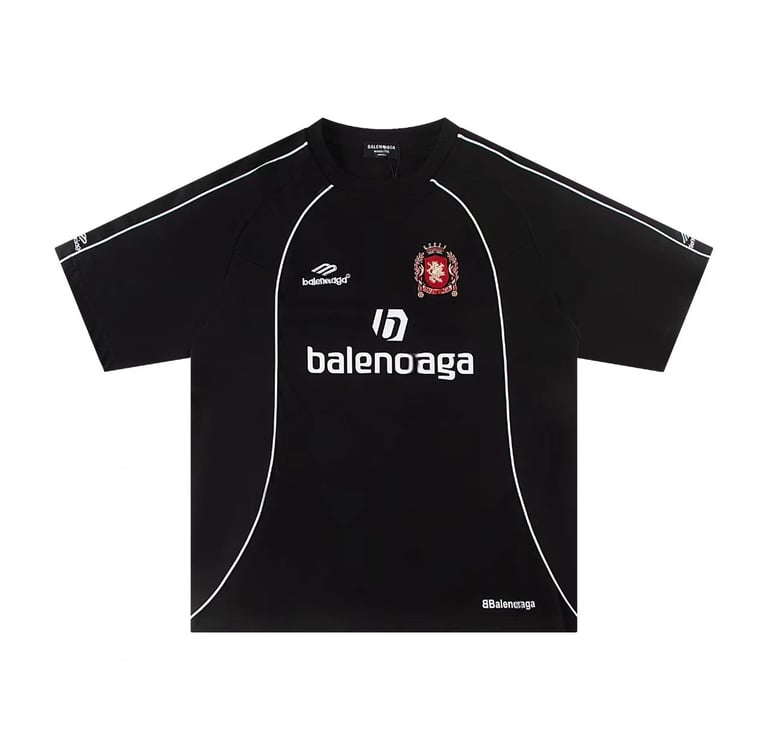


About Orientdig Spreadsheet — Making China’s Everyday Products Reach the World
For most global shoppers, discovering products from China is easy—but actually completing a purchase is not.
What starts as a simple browsing experience on platforms like 1688 or Weidian often turns into a fragmented process: unclear listings, inconsistent sellers, language barriers, and no straightforward way to complete international orders.
Orientdig spreadsheet was created to turn this broken experience into something usable in real life.
Why Orientdig exists in the first place
The idea behind Orientdig spreadsheet did not come from technology—it came from user behavior.
People were already finding products they wanted across Chinese platforms. They were already comparing suppliers, copying links, and trying to coordinate orders through multiple channels.
But the process was repetitive and inefficient.
Instead of asking users to change how they shop, Orientdig spreadsheet was built to support how they already behave—just without the friction.
From scattered browsing to completed purchases
A typical cross-border buying journey looks like this:
A product is discovered on 1688 or Weidian
Multiple similar listings are compared
Questions arise about availability or variations
Communication happens across different sellers
Orders are split, adjusted, or abandoned
Orientdig spreadsheet exists to reduce the breakdown between these steps.
It helps keep sourcing activity connected from discovery to final purchase intent, without forcing users into platform-specific limitations.
Designed for real users, not ideal workflows
Not every user behaves like a structured buyer.
Some are browsing casually.
Some are testing products for resale.
Some are repeating small orders frequently.
Orientdig spreadsheet is built to support all of these patterns without requiring users to follow a fixed process.
It adapts to the way sourcing actually happens in practice, not how it looks in diagrams.
A practical bridge between platforms and global users
1688 and Weidian were designed for domestic use. That creates a natural gap when international users try to interact with them directly.
Instead of trying to replace those platforms, Orientdig spreadsheet acts as a practical bridge that helps users work with them more effectively.
It focuses on one thing: making the buying process less fragmented for people outside the local ecosystem.
Where Orientdig Links fits into the experience
While Orientdig spreadsheet supports the sourcing journey itself, Orientdig links helps extend selected product paths outward.
This is useful when users want to:
revisit curated product selections
share specific sourcing results
access previously structured items outside the system
It is not a separate workflow—it is an extension of the same browsing and purchasing experience.
Built for everyday sourcing, not just bulk operations
Not every user is managing large-scale procurement.
Many users simply want:
to buy a few items from China
to explore product variations easily
to avoid dealing with fragmented sellers
Orientdig spreadsheet supports both small and repeat usage without forcing scale or complexity.
A simpler way to understand Orientdig
If reduced to its core idea:
Users discover products on Chinese platforms
The buying process is usually fragmented
Orientdig spreadsheet makes that process manageable
Orientdig links helps keep selected products accessible
Closing perspective
Cross-border shopping does not fail because products are hard to find.
It fails because the path from discovery to purchase is not smooth.
Orientdig spreadsheet exists to make that path more direct, more stable, and easier to complete in real usage conditions.