
Orientdig Finds
Spreadsheet
OVER 5000+
WITH QC PHOTOS
Orientdig Spreadsheet — Connecting Chinese Supply Chains with Global Commerce Networks
A practical infrastructure for cross-border product flow
Global e-commerce is no longer defined by single marketplaces. It is shaped by distributed supply chains, multi-platform sourcing, and fragmented logistics networks that operate across different countries and systems.
In this environment, Orientdig spreadsheet functions as a structured bridge between China’s e-commerce ecosystem and global buyers who need consistent access to products without navigating each platform individually.
Rather than acting as a storefront, it operates as a coordination layer for supply chain interaction.
The challenge of fragmented supply access
Platforms such as 1688 and Weidian provide direct access to large-scale manufacturing and retail supply in China. However, from a global perspective, this access is not unified.
Buyers often face:
inconsistent product availability across sellers
variations in pricing for identical items
separate communication channels for each supplier
lack of standardized cross-border ordering structure
Orientdig spreadsheet is built specifically to reduce this fragmentation by organizing supply interactions into a structured operational layer.
Building a connected sourcing environment
Instead of treating each supplier as an independent entity, Orientdig spreadsheet connects sourcing inputs into a unified environment where product data, supplier options, and order decisions can coexist in a structured format.
This creates a more coherent sourcing experience where information is not scattered across platforms but aligned within a single operational flow.
The result is a connected sourcing environment rather than isolated transactions.
From supplier networks to structured commerce flow
Traditional cross-border purchasing relies heavily on manual coordination between multiple suppliers and intermediaries. This introduces inefficiencies when scaling operations across different product categories.
Orientdig spreadsheet restructures this process by converting supplier interactions into organized commerce flows.
These flows allow users to:
evaluate supply options across multiple sources
maintain consistent product information structures
align sourcing decisions with fulfillment readiness
reduce fragmentation between discovery and order execution
This transforms sourcing from a reactive process into a structured system.
A system designed for distributed supply chains
Modern supply chains are not centralized. They are distributed across manufacturers, wholesalers, and retail platforms that operate independently.
Orientdig spreadsheet is designed to function within this distributed environment by providing a consistent structure that connects otherwise disconnected supply points.
It does not attempt to centralize supply chains. Instead, it makes distributed supply chains manageable.
Extending structured sourcing with Orientdig Links
While Orientdig spreadsheet organizes supply chain interactions internally, Orientdig links extends selected outputs into external access environments.
This allows structured sourcing data to move beyond the internal system into external distribution channels, where curated product selections can be accessed more easily.
Orientdig links acts as a controlled extension layer for structured commerce output.
Aligning sourcing and global market demand
Cross-border commerce is not only about supply—it is about matching supply structure with global demand patterns.
By organizing supplier data into structured flows, Orientdig spreadsheet helps align sourcing behavior with international purchasing requirements.
This reduces mismatch between what suppliers offer and how global buyers consume product information.
A layered model for modern commerce infrastructure
The Orientdig system operates on two functional layers:
Orientdig spreadsheet → structures supply chain interactions and sourcing logic
Orientdig links → distributes structured outputs into external environments
Together, they create a layered model that connects fragmented supply networks with global commerce access.
Rethinking how supply chains are accessed
Instead of requiring users to adapt to fragmented platforms, Orientdig spreadsheet adapts the supply chain into a structured format that can be consistently used across cross-border operations.
This shifts the focus from navigating platforms to managing structured commerce flows.
Final perspective
Global commerce is increasingly defined by complexity, not simplicity. The challenge is not access to products, but the ability to organize, interpret, and operate across distributed supply systems.
Orientdig spreadsheet provides structure for this complexity, while Orientdig links extends that structure into global distribution environments.
Together, they form a practical framework for connecting China’s supply networks with international markets in a more organized and scalable way.
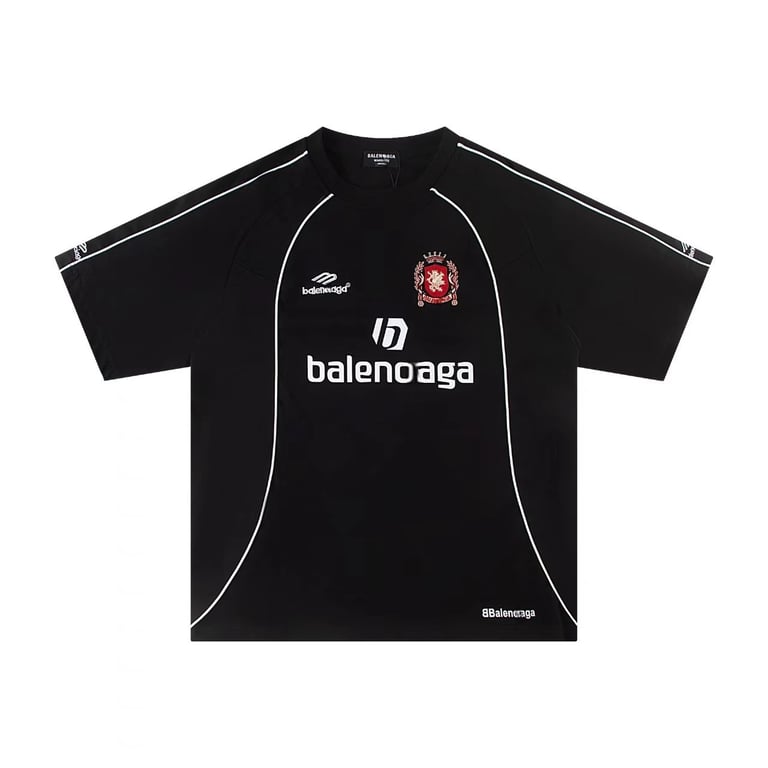
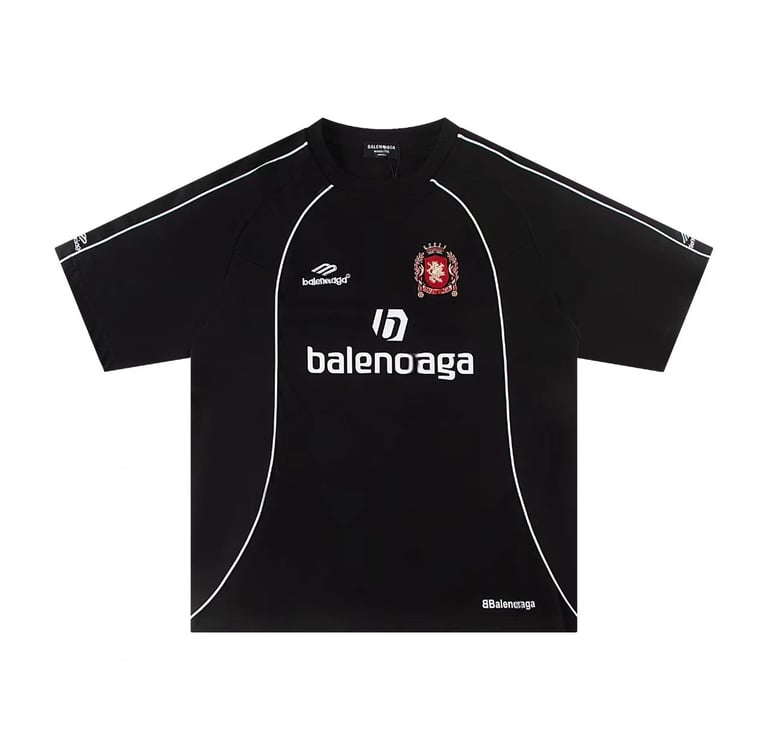
Click the images below to browse!


















Frequently Asked Questions
What is the core purpose of Orientdig spreadsheet in supply chain connectivity?
Orientdig spreadsheet is designed to organize fragmented supply chain interactions into a structured workflow. Instead of treating 1688 and Weidian as separate sourcing endpoints, Orientdig spreadsheet connects them into a unified system that supports cross-border commerce coordination and product flow management.
How does Orientdig spreadsheet handle fragmented supplier networks?
In real-world sourcing, suppliers operate independently across different platforms. Orientdig spreadsheet addresses this by structuring supplier data into a consistent format, allowing users to compare, evaluate, and manage multiple sourcing channels within one organized environment.
Why is Orientdig spreadsheet useful for global commerce operations?
Global commerce involves distributed supply chains, inconsistent product listings, and varying supplier behavior. Orientdig spreadsheet provides structure across these variables, making it easier to align sourcing decisions with international demand and fulfillment requirements.
Does Orientdig spreadsheet change how suppliers on 1688 or Weidian operate?
No. Orientdig spreadsheet does not modify supplier behavior on 1688 or Weidian. Instead, it restructures how global buyers interact with those platforms, organizing sourcing data into a unified system for better coordination.
What kind of problems does Orientdig spreadsheet solve?
Orientdig spreadsheet focuses on reducing operational fragmentation in cross-border sourcing. It helps solve issues such as:
inconsistent product data across suppliers
lack of unified sourcing structure
difficulty managing multiple sourcing channels
inefficient coordination between product selection and fulfillment
How does Orientdig spreadsheet improve sourcing decisions?
By organizing supplier and product information into a structured environment, Orientdig spreadsheet allows users to evaluate sourcing options more clearly, compare alternatives across platforms, and reduce uncertainty during decision-making.
What is the role of Orientdig links in the system?
Orientdig links extends structured outputs from Orientdig spreadsheet into external environments. It allows curated sourcing results and product flows to be accessed outside the internal system while maintaining their structured format.
Can Orientdig links function without Orientdig spreadsheet?
No. Orientdig links depends on structured data generated by Orientdig spreadsheet. Without the structured sourcing layer, there is no consistent output to distribute externally.
How does Orientdig spreadsheet support distributed supply chains?
Modern supply chains are decentralized across multiple platforms and suppliers. Orientdig spreadsheet provides a structured layer that connects these distributed points into a manageable system for sourcing and commerce coordination.
Who typically uses Orientdig spreadsheet?
Orientdig spreadsheet is commonly used by global buyers, cross-border resellers, and operators managing multi-supplier sourcing workflows across platforms like 1688 and Weidian.
Is Orientdig spreadsheet a marketplace?
No. Orientdig spreadsheet is not a marketplace and does not sell products. It functions as a structured coordination layer that organizes sourcing interactions between buyers and supply platforms.
How does Orientdig spreadsheet relate to global demand?
Orientdig spreadsheet organizes supply-side data in a way that makes it easier to align with global purchasing behavior. It helps structure fragmented supplier information so it can better match international demand patterns.
What is the main idea behind the Orientdig system?
The system is built on two layers:
Orientdig spreadsheet structures sourcing and supply chain interactions
Orientdig links extends structured outputs into external access environments
Together, they form a connected framework for cross-border commerce operations.